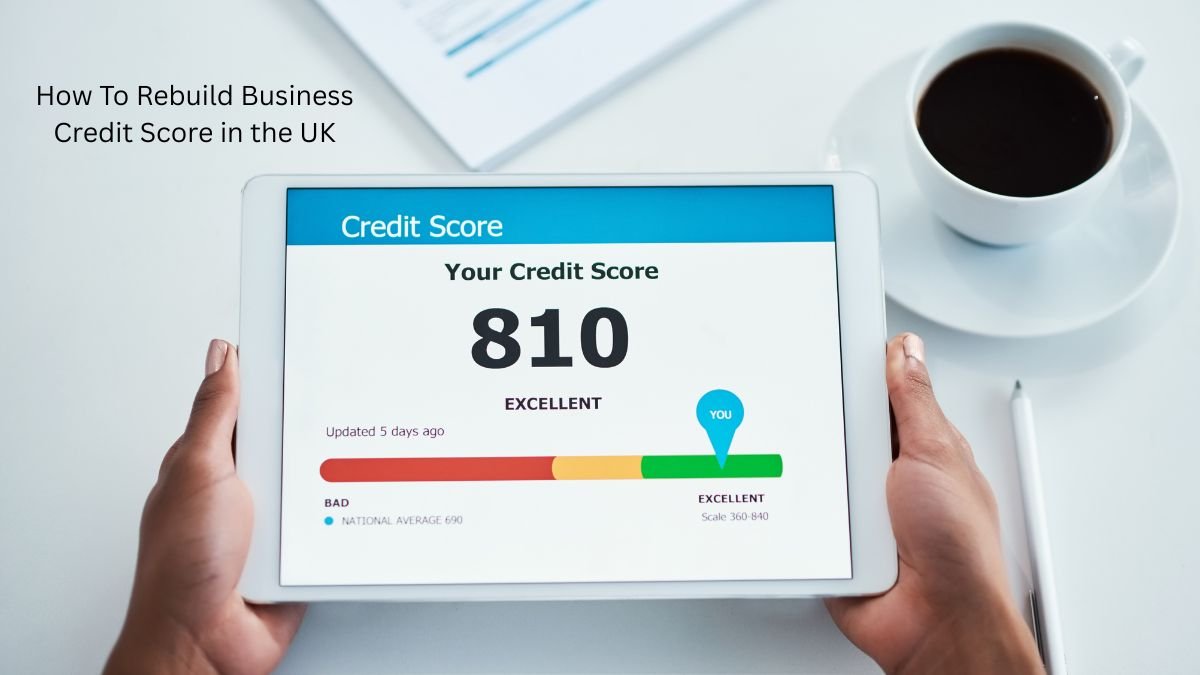
There is no way to improve your credit history in Ireland quickly. In order to keep your credit record good, make sure you use credit responsibly.
A credit history plays a paramount role when it comes to borrowing money in Ireland. A stellar credit history is essential to access mortgages, auto loans and personal loans. Unlike the US and UK, Ireland does not use a single credit score method. Instead, lenders rely on the Central Credit Register to know your past payment behaviour. It is completely at hands of lenders to determine your affordability before approving your loan application.
The Central Credit Register maintains records of all loans that start from €500. No responsible lender can sign off on your application without perusing your credit history. Subprime borrowers are eligible to qualify for a loan from direct lenders and credit unions, but they are charged high interest rates.
It is essential to improve your credit history to ensure that you borrow money at affordable interest rates. However, note that there is no way to ameliorate your credit score overnight.
Steps you should take to improve your credit history quickly
Here are the steps you can take if you want to ameliorate your credit rating:
- Check your credit record
First off, you need to check your credit record to see where you actually stand. Your credit report cannot tell you whether your credit history is stellar or not, because it only consists of records of your credit. Lenders use their own method to determine how risky you are.
The purpose of checking your credit report is to look for errors. There may be some accounts which you do not identify. Try to fix errors if you find any.
Another purpose of checking your credit report is to see whether there are loads of credit inquiries and late payments, because otherwise you will certainly be considered an extremely risky borrower.
- Join a local credit union
Join a local credit union and open a savings account. Credit unions are known for providing loans at lower interest rates than online lenders, but you need to be a member. Since credit unions work as financial cooperatives, money you contribute to your savings account is pooled together with other members to provide financial assistance to the local community.
It is vital to maintain a minimum balance on your savings account. You will be provided with a dividend at year-end if there is a surplus instead of interest on your savings balance.
However, this is not enough to ameliorate your credit history. You will need to take out a small loan. When you take out a loan from a credit union, try repaying it on time. This will help you improve your credit records in the Central Credit Register.
- Use a credit card wisely
If you have a credit card, make sure that you do not max it out. Low-limit credit card transactions can help protect your credit history from being damaged. While a 30% credit card utilisation ratio is suggested as ideal, you should try to keep it lower. The lower, the better. A golden rule of thumb says that it should not exceed 25%.
A high credit utilisation ratio can trap you into credit card debt. Bear in mind that credit cards charge interest rates by the day. You may find it extremely difficult to settle your dues. Once you fall into credit card debt, it will be all but impossible to get out of it. No lender will be able to offer you the best personal loans or mortgage deals in the future if you fail to use your credit card responsibly. Make sure you do not carry a balance each month.
- Pay bills on time
Missing utility bill payments does not directly affect your credit record in the Central Credit Register, but unpaid large bills can risk supply cut-off. You will most likely take out a loan, against your better judgment, to clear those dues. If you fail to repay the debt on time, you will end up with debt accumulation.
Lenders will send your account to collection agencies. Missed debt payments are reported to the Central Credit Register. This will reflect you as a highly risky borrower next time you borrow money. Missed payments are the biggest red flags for lenders.
- Minimise digital footprints
Even if your credit history is stellar, there is no guarantee of approval, because lenders take into account your overall financial standing. Only if you pass the affordability test will they approve your loan application.
You should never apply to many lenders at the same time because each lender will run hard inquiries that get recorded in the Central Credit Register. If there are too many digital footprints, you will be perceived as a highly risky borrower. Wait until you hear from your lender. Until the application is rejected, you should apply to another lender.
If you are considering taking out personal loans and mortgages, you should apply for prequalification letters from lenders. This will help you compare their interest rates without digital footprints. Contacting a broker comes in handy when you have to compare offers from multiple lenders. They can help carry out the whole process smoothly.
To wrap up
There is no way to improve your credit history quickly in Ireland. You should try to use credit responsibly so that your credit records do not reflect you as a high-risk borrower. If you are in debt, try to pay it off as soon as possible. Identify the underlying cause so you do not repeat those mistakes.